What is a Series Circuit?
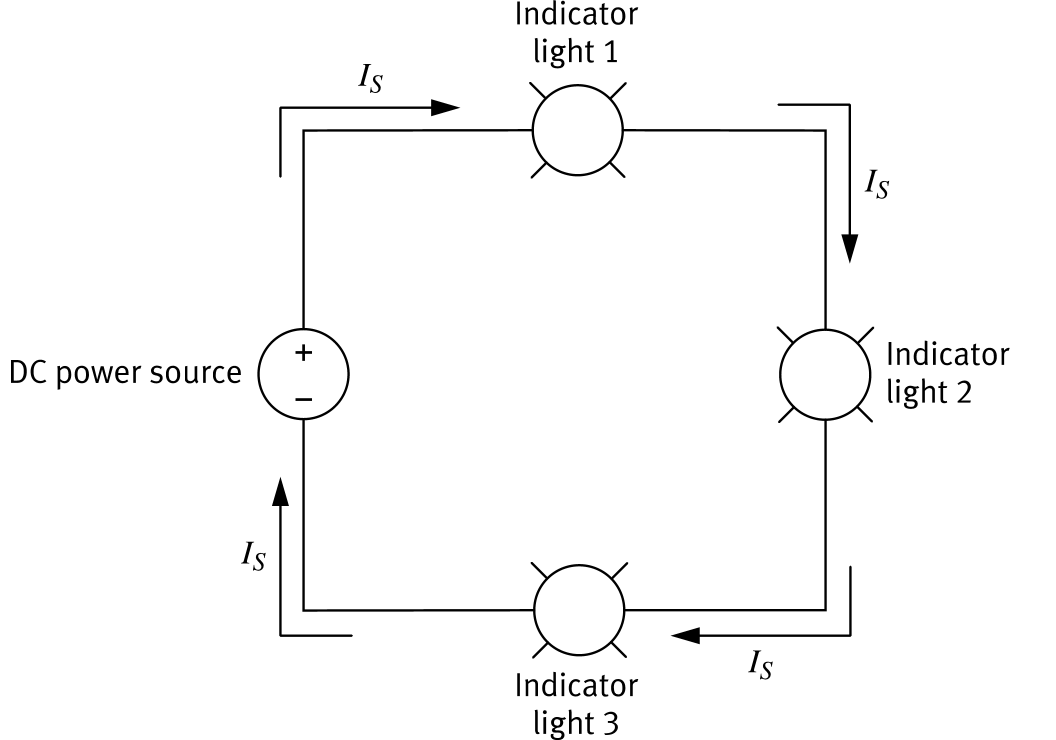
In a series circuit, components are connected along a single path. The same electrical current flows through every component in the circuit.
Switch Control in a Series Circuit
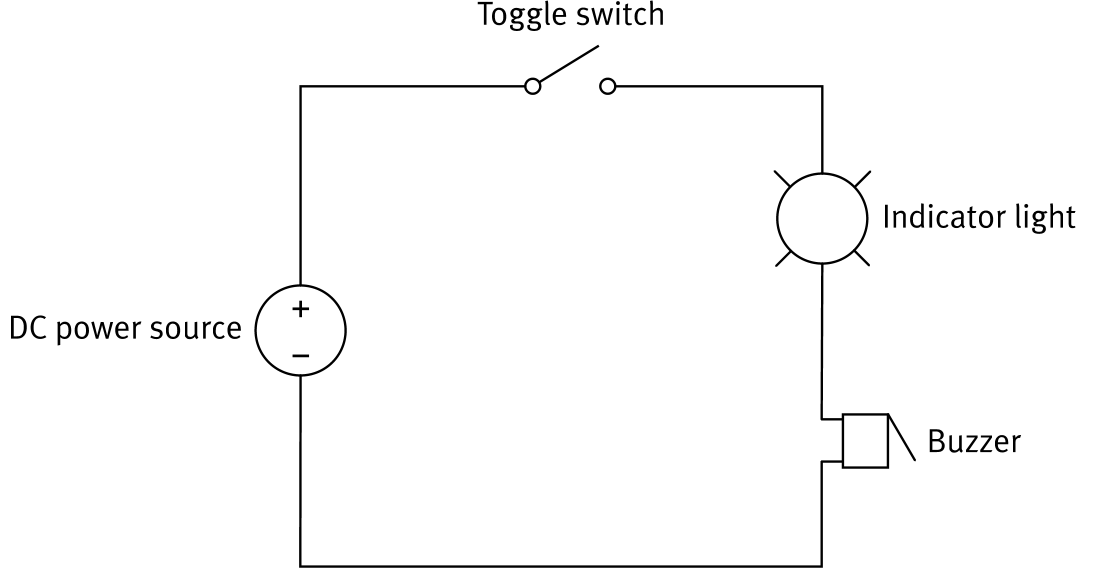
A switch placed in a series circuit controls all components at the same time.
Series Circuit: Multiple Switches
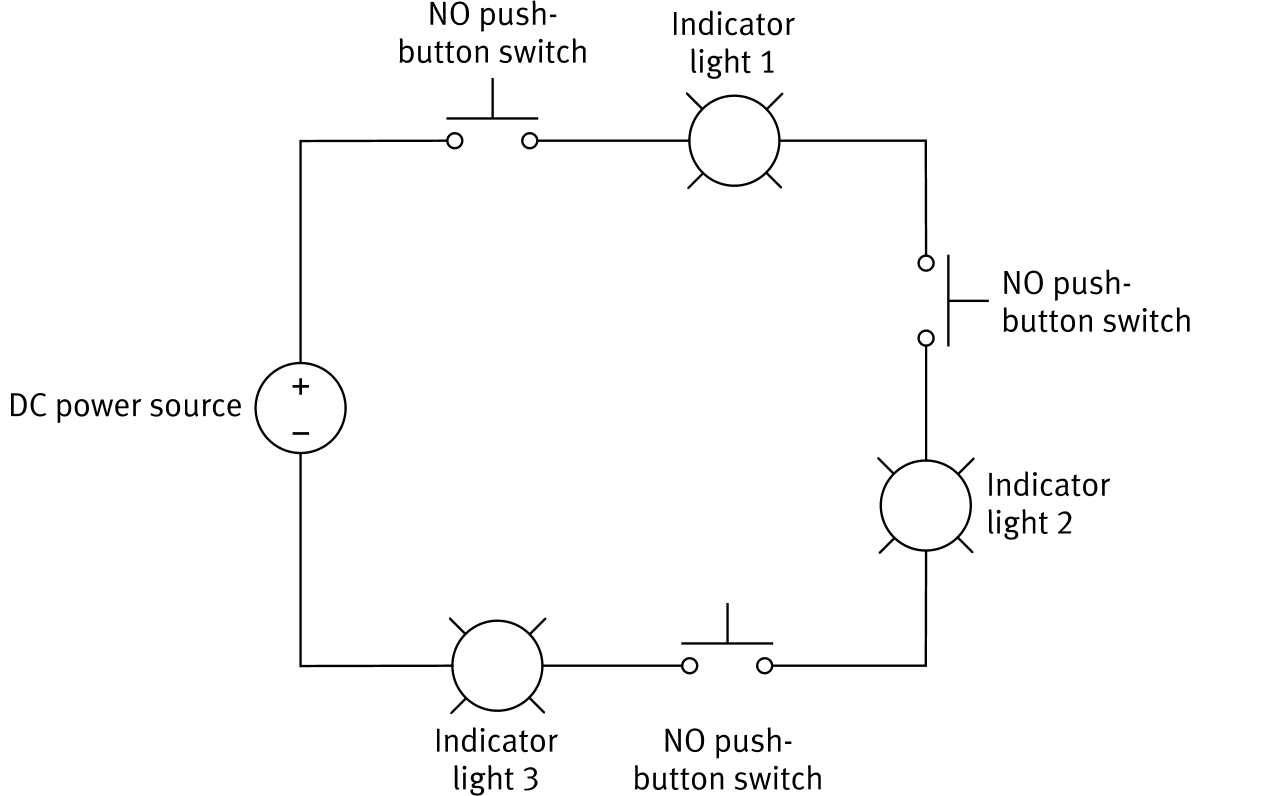
Multiple NO push-button switches can be wired in series with several indicator lights. Since there is only one current path, the rule is strict:
Releasing even one switch opens the circuit, stopping current and turning all lights off.
What is a Parallel Circuit?
In a parallel circuit, components are connected along more than one path. The source current IS splits into separate branch currents (I1, I2, I3) at each junction.
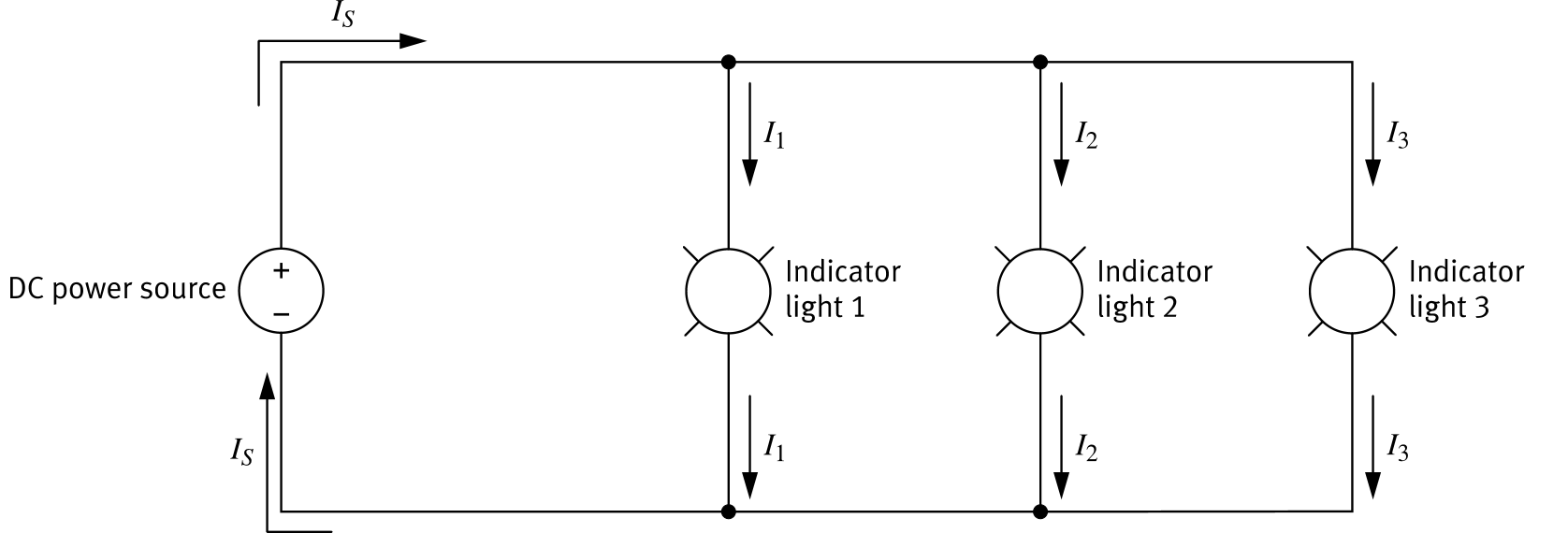
Independent Branch Control
Placing a toggle switch in each branch of a parallel circuit gives independent control over each component.
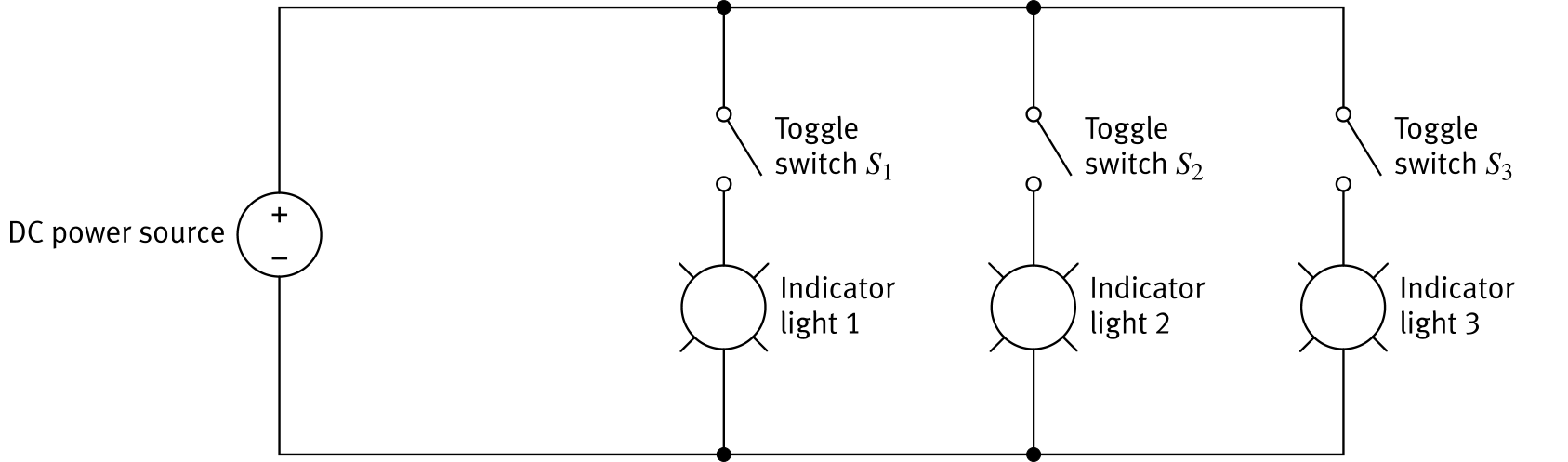
Real-World Example: Car Interior Light
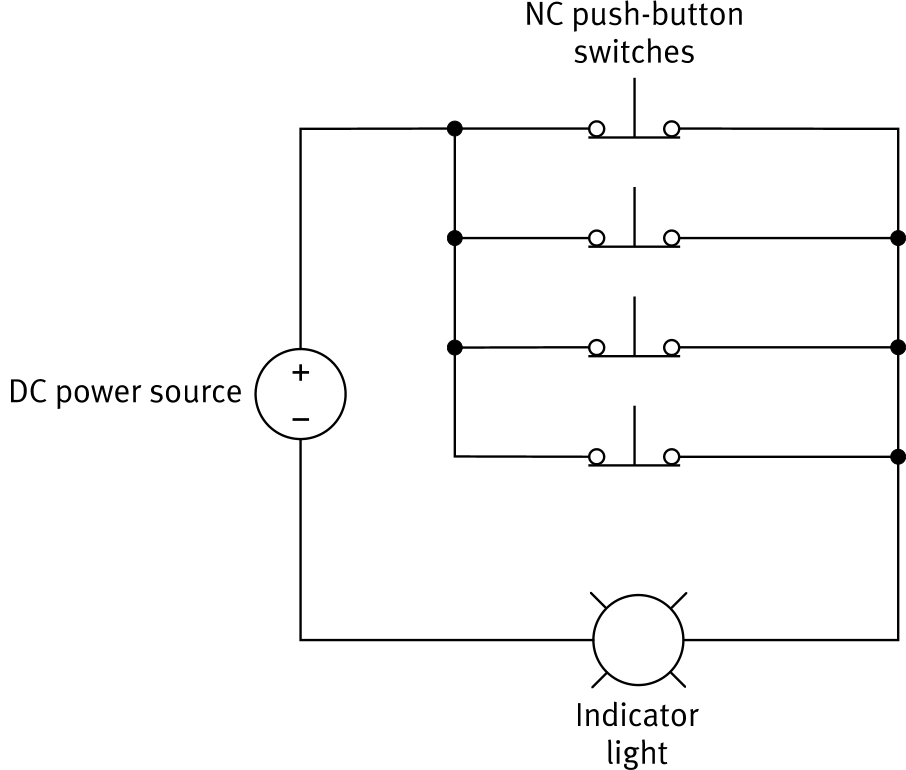
A car interior light uses four NC push-button switches wired in parallel, one in each door hinge.